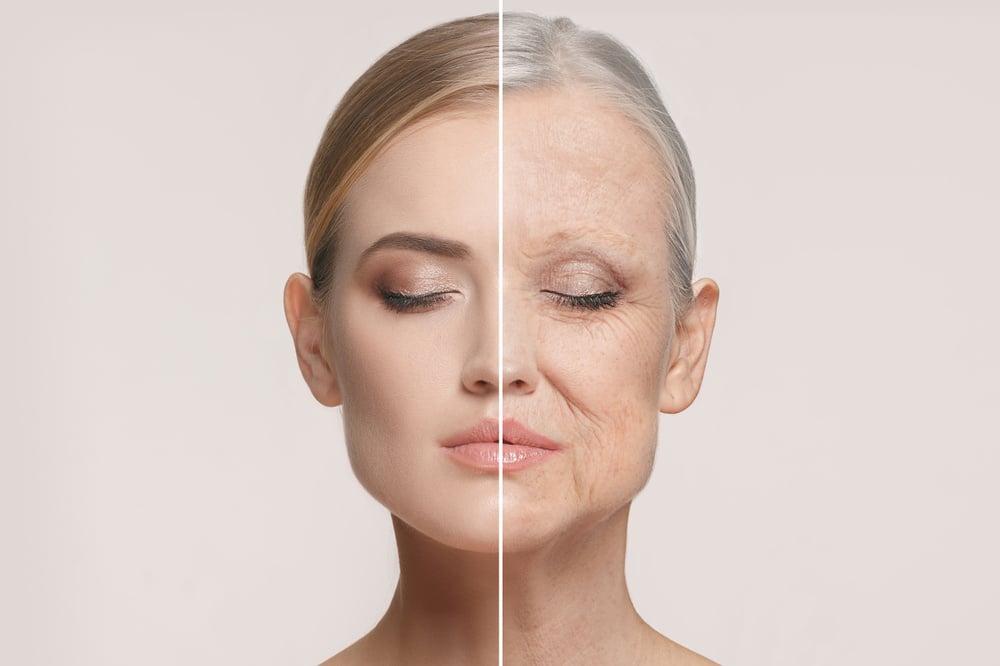
Welcome to St Johns Aesthetics and Wellness Center, where we are thrilled to introduce you to the innovative world of Attiva RF skin treatments! If you are seeking a non-surgical, highly effective solution to tighten, lift, and revitalize your skin with minimal downtime, you have come to the right place. This comprehensive guide will take you through everything you need to know about Attiva RF, its advantages, the procedure, and why it has become the top choice for skin tightening and rejuvenation.
Understanding Attiva RF Technology
What is AttivaRF?
Looking for a non-surgical face and neck lift? This may be your answer! Attiva RF utilizes intelligent radio frequency (iRF) technology to deliver controlled heat beneath the skin's surface. This heat stimulates collagen and elastin production, improves microvascularization, and muscle stimulation resulting in immediate skin tightening and rejuvenation without the need for surgery.
How Does It Work?
The technology involves a patented microcannula equipped with Double Temperature Control, ensuring safety, by monitoring both the internal probe temperature and the skin's surface temperature. This precision enables uniform heating of subdermal tissues, leading to an immediate contraction of collagen fibers and initiating a long-term collagen production process. What does that mean for you? You will see immediate improvement that will only get better as your skin produces more and more collagen and elastin as a result of the treatment!
Non-Surgical Approach
Attiva RF provides a non-invasive method for skin tightening, eliminating the necessity for incisions or extended recovery periods, making it ideal for individuals looking for quick recovery and minimal disruption to their daily routines. You just can’t get that if undergoing surgery! Obviously, surgery will give you a more substantial lift, but this is pretty close without the risk and downtime associated with surgery.
Immediate and Progressive Benefits
Experience immediate skin tightening, with continuous improvements over several months as a result of collagen remodeling.
Safety Assurance
With real-time temperature control, Attiva RF is exceptionally safe, minimizing the risk of burns or uneven heating.
The Procedure
Preparation
Prior to your treatment, a consultation will be held to discuss your skin objectives and any concerns you may have. There are a lot of options out there including doing nothing at all. At your consultation, we will discuss what will best meet your needs.
During the Treatment
The treatment area will be cleansed and numbed with topical numbing and also numbing injections. Medications can be prescribed to help you relax. We also offer Pronox, or laughing gas during treatment. The Attiva RF microcannula is inserted under the skin, moving in a fanning motion to evenly distribute heat. This process is comfortable, with minimal discomfort, thanks to the precision of the technology.
Post-Treatment Care
You may experience some tightness or mild soreness. Over-the-counter pain relief is typically adequate, and most patients can resume their normal activities within 24 hours.
Duration
A session may last between 30 minutes to an hour and a half depending upon treatment area. Depending upon the degree of laxity of the skin and tissue response, multiple sessions may be recommended for optimal results. The benefits of the treatment can be with you for a couple of years as long as you are fairly healthy and taking good care of your skin.
Pain and Comfort
The sensation is often described as warm or mildly uncomfortable, rather than painful. Normal activities can usually be resumed immediately, with optimal results visible over the course of months.
Who is Attiva RF Suitable For?
Ideal Candidates
Those with sagging skin, fine lines, or individuals seeking skin rejuvenation without the need for surgery. If you have any questions about whether or not this is for your current situation, please contact us.
Who Should Avoid
Pregnant women, individuals with specific skin conditions, or those with active infections or poor wound healing.
Comparison with Other Treatments
Lasers vs. RF
Attiva RF offers deeper penetration without the risk of skin damage often associated with certain laser treatments.
Surgery vs. Non-Surgical
Attiva RF delivers comparable results to surgical facelifts but without the downtime or risks involved.
Attiva RF at St Johns Aesthetics presents a groundbreaking approach to skin rejuvenation, combining safety with effectiveness. Whether you wish to reverse the signs of aging or maintain a youthful appearance, Attiva RF shines as a beacon of modern cosmetic technology. Schedule your consultation today and embark on a journey where skin rejuvenation is non-invasive, safe, and remarkably effective.

Lorie brings nearly 30 years of medical experience and more than 15 years of aesthetic specialization to every patient interaction. A trainer-level provider and ZO® Skin Health authorized practitioner, she founded SJAWC on the belief that great results come from personalized care, not cookie-cutter treatments.